
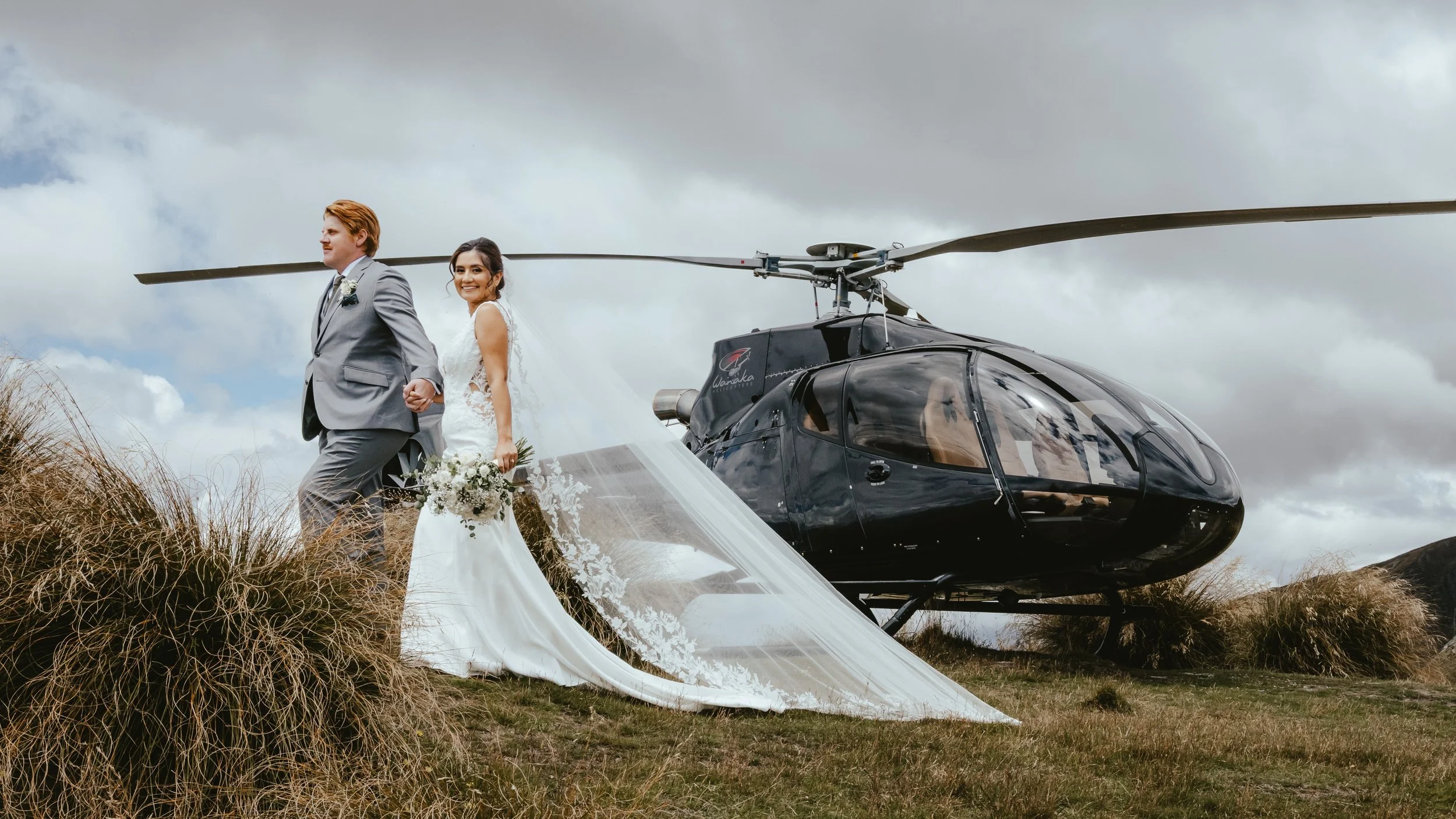

How to Plan a Destination Wedding in 2026: Budget, Timeline, Hidden Costs and Guest Travel Tips
Planning a destination wedding in 2026 can be one of the most exciting ways to get married, but it also comes with more moving parts than a traditional local wedding. You are not only planning a ceremony and celebration. You are also thinking about travel, accommodation, guest communication, weather, logistics, and often a full multi-day experience.
That is exactly why destination weddings remain so appealing. Couples want something more personal, more immersive, and more memorable than a standard one-day event. In 2026, couples are continuing to prioritise guest experience, meaningful locations, and wedding weekends rather than just a single event.
In this guide, we will walk through how to plan a destination wedding in 2026, including your ideal timeline, what your budget should cover, the hidden costs couples often miss, and how to make travel easier for your guests.
What is a destination wedding?
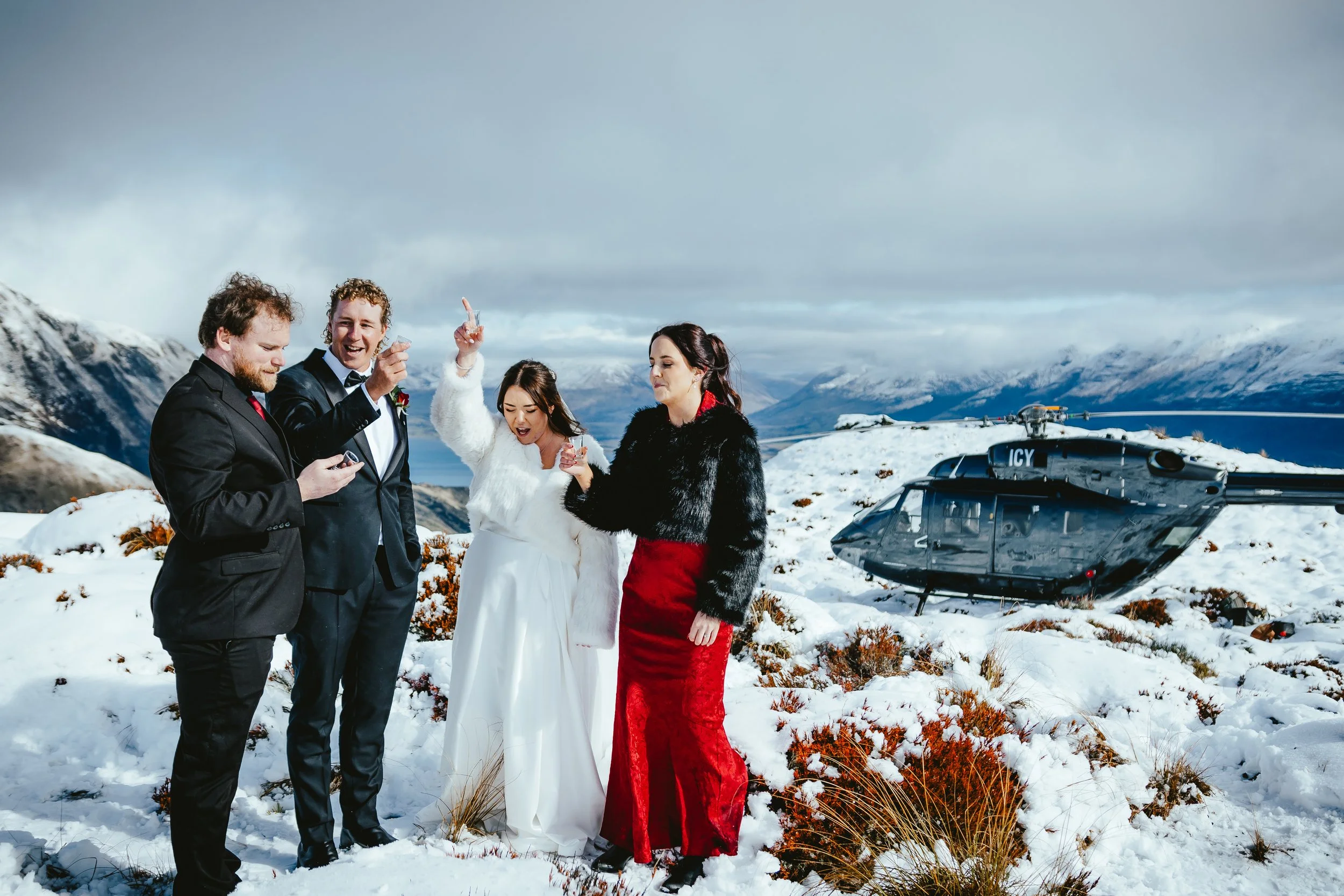
A destination wedding is any wedding where most of the couple and guests travel away from home for the celebration. That could mean another country, another island, or simply a special region that feels like an escape. The appeal is usually the same: a beautiful setting, a more intimate atmosphere, and a wedding experience that feels like a shared trip rather than a single event.
Why destination weddings are so popular in 2026
Destination weddings continue to attract couples because they combine celebration and travel into one experience. They often feel more intentional, more scenic, and more relaxed than a traditional large hometown wedding.
Many couples today want quality time with guests, more personalised schedules, and a wedding that feels like a full experience rather than just a few hours. That is one of the biggest reasons destination weddings continue to grow in popularity.
When should you start planning a destination wedding in 2026?
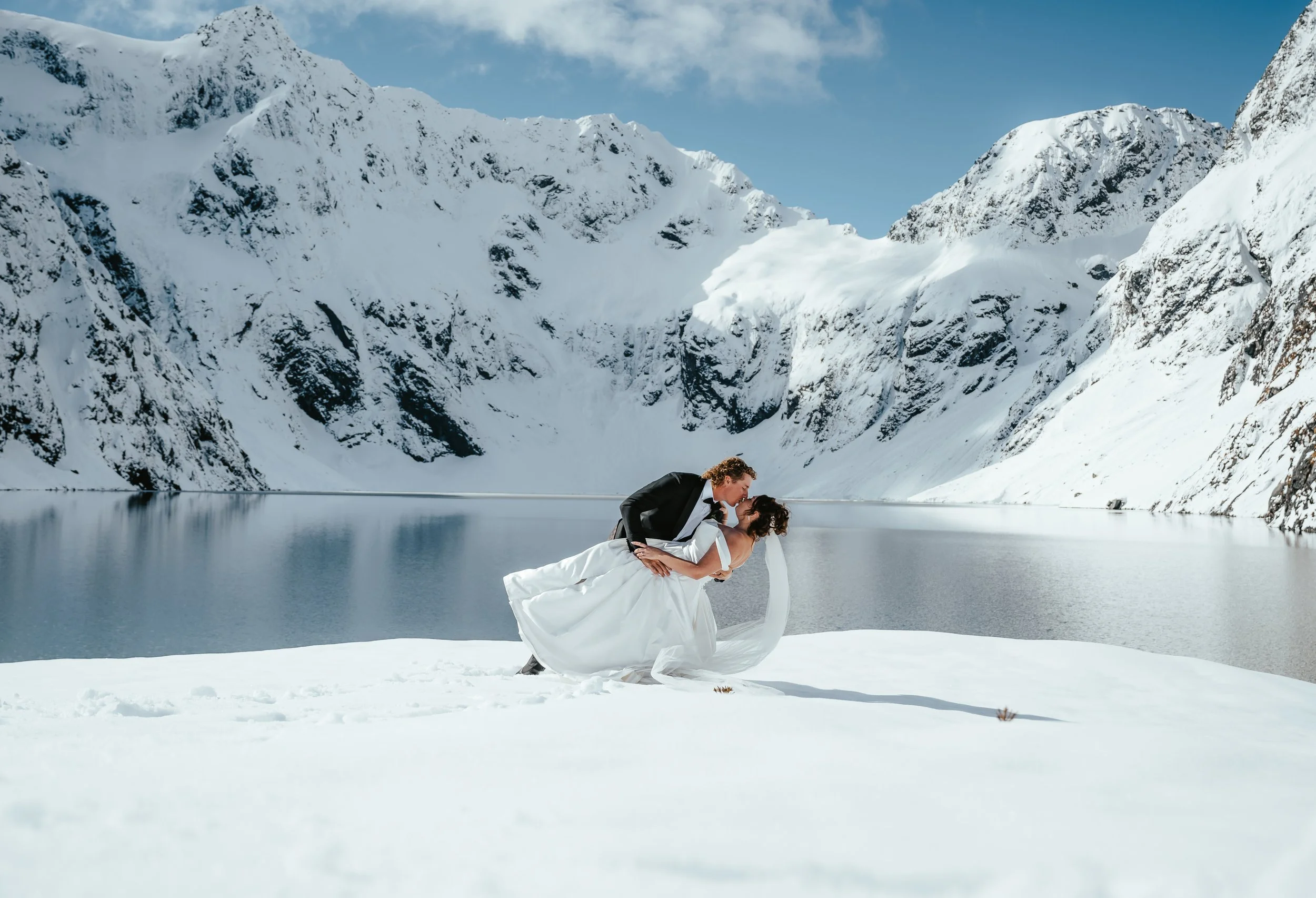
The safest planning window is 12 to 18 months before the wedding date. That gives you enough time to choose the location, secure key vendors, organise accommodation, and give guests enough notice to budget for travel. Current wedding planning guidance consistently recommends starting at least a year in advance for destination weddings.
If your wedding is in peak season or in a popular destination, earlier is even better.
Destination wedding planning timeline
12 to 18 months before
Choose the destination, set your overall budget, sketch out your guest list, research the best season, and book your venue or planner.
This is also the right time to decide whether you want a full wedding, an intimate destination wedding, or an elopement-style experience.
9 to 12 months before
Book your key vendors. For most couples, that means planner, photographer, videographer, celebrant or officiant, florist, hair and makeup, and transport.
If your destination needs travel coordination or accommodation blocks, this is also the time to lock those in.
8 to 12 months before
Send your save-the-dates. This matters more for destination weddings because guests need time to request leave, compare flight prices, organise passports, and budget properly. Guidance for destination weddings commonly recommends sending save-the-dates much earlier than for local weddings.
3 to 4 months before
Send your formal invitations. Destination wedding invitations generally go out earlier than standard invitations so guests have enough time to finalise travel plans and RSVP.
2 to 3 months before
Confirm RSVPs, finalise accommodation details, share guest itinerary information, and lock in your weather backup plan.
Final month
Confirm final numbers, transport, vendor timing, arrival windows, styling setup, and all guest communication. Make sure everyone knows exactly where they need to be and when.

How much does a destination wedding cost in 2026?
There is no single number that fits every couple, but destination weddings can be comparable to or sometimes lower than a traditional wedding depending on the location, guest count, and what is included. Recent cost reporting has placed the average destination wedding around USD $39,000, with international destination weddings often costing more.
That said, averages do not plan your wedding. Your real cost depends on:
guest count
destination
venue style
accommodation
travel season
vendor mix
how many events are included
A smarter way to budget is by category.
A simple destination wedding budget breakdown

Your destination wedding budget should usually include:
venue or ceremony location
accommodation or venue buyout costs
planner or coordinator
photography and videography
florals and styling
hair and makeup
food and drinks
transport for couple and guests
music or entertainment
wedding attire
legal paperwork or permit fees
travel costs for the couple
welcome dinner or post-wedding brunch if included
contingency buffer
The most important budgeting move is not just allocating money. It is deciding your priorities early.
If the scenery is the hero, you may need less decor. If the guest experience matters most, you may put more into accommodation, transport, or extra events.
Hidden costs of a destination wedding that couples miss
This is where budgets usually go wrong.
Many destination wedding planning resources highlight hidden costs such as currency changes, travel insurance, taxes and service fees, transport between venues, and weather backup plans. A contingency buffer of around 15 to 20 percent is commonly recommended.
Here are the most common hidden costs:
1. Travel for the couple
Flights, extra luggage, attire transport, airport transfers, and pre-wedding site visits can add up quickly.
2. Legal and paperwork fees
Depending on the destination, you may need translated documents, marriage paperwork, permits, or certified copies.
3. Resort fees, taxes, and service charges
These often appear after the initial quote and can affect accommodation, catering, and venue use.
4. Vendor travel or outside-vendor fees
If you are bringing your own photographer, planner, or stylist, there may be accommodation, transport, or vendor access charges.
5. Welcome events and recovery brunches
Destination weddings often become full wedding weekends. That can be amazing, but it also means more food, drinks, styling, and staffing.
6. Weather backup plans
A backup indoor option, marquee, umbrellas, heaters, or last-minute setup changes can affect your budget.
7. Guest transport
Shuttles between airport, hotel, ceremony, reception, and photoshoot locations are easy to overlook and expensive to add late.
8. Travel insurance
Travel insurance can help with unexpected flight delays, illness, lost luggage, or travel disruption, which is especially important when your wedding depends on people arriving from other places.
How to make destination wedding travel easier for guests
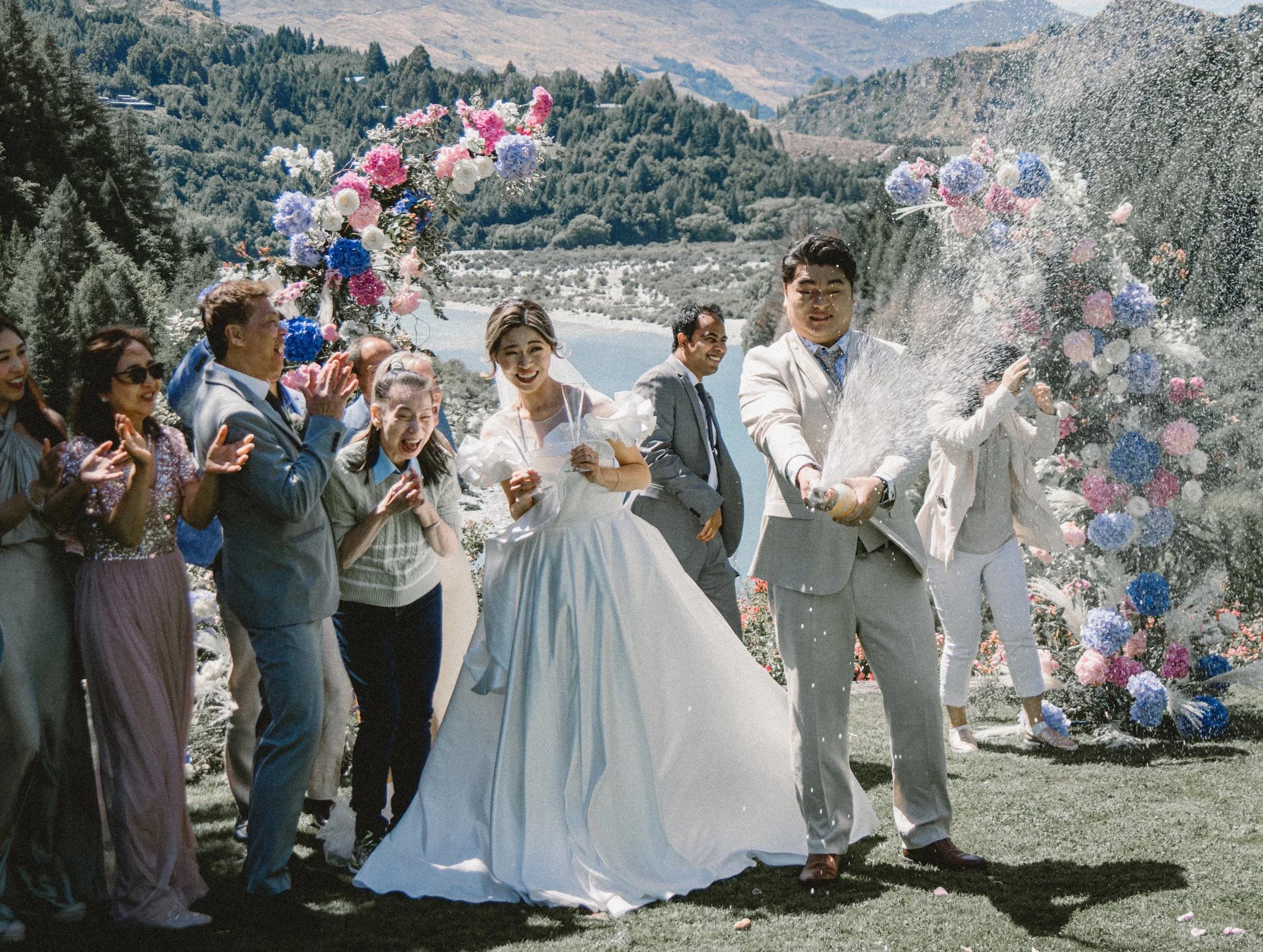
Guest logistics matter. Wedding guest travel can cost a significant amount, especially when flights and accommodation are involved, so couples should focus on reducing friction wherever possible.
Here is how to make the trip easier:
Give people notice early
Send save-the-dates early and share the location as soon as possible. This gives guests time to compare fares and organise leave.
Put everything on your wedding website
Include airport info, dress code, transport, accommodation options, weather expectations, and a rough event timeline.
Recommend accommodation options at different price points
Not every guest has the same budget. Give them at least three choices when possible:
one premium option, one mid-range option, and one budget-friendly option.
Explain transport clearly
Tell guests whether they need a rental car, whether there is a shuttle, how far things are from the airport, and whether transfers are included.
Share a packing guide
This is especially useful for mountain weddings, tropical climates, winter destinations, or remote locations.
Be realistic about attendance
Not everyone will be able to come, and that is normal. A destination wedding is a bigger commitment in both time and money.
Should you pay for guest travel?
Usually, no. In most destination weddings, guests are expected to cover their own flights and accommodation. As the couple, your role is usually to communicate clearly, plan well, and make the trip as smooth as possible.
That said, some couples choose to help with specific costs, such as airport transfers, welcome bags, group transport, or one hosted extra event.
The biggest mistake couples make

The biggest mistake is planning the destination wedding like a normal local wedding and only thinking about travel later.
The best destination weddings are built backwards from the guest experience:
Where will people stay?
How will they get around?
What will the weather be like?
How many separate events are realistic?
What information do they need before they book?
When you solve those questions early, the whole wedding feels calmer and more premium.
A simple destination wedding planning checklist
If you want the short version, here it is:
choose destination
set your budget
create your guest list
book venue and planner
book key vendors
secure accommodation options
send save-the-dates early
build your wedding website
plan guest transport
set invitation and RSVP timeline
create a weather backup plan
confirm final logistics
If you are looking for a planner, here is a couple of vendors you might be interested.
Wonder Weddings
Heli Elopements

Final thoughts
If you are wondering how to plan a destination wedding in 2026, the answer is not to overcomplicate it. Start early, build a realistic budget, protect yourself from hidden costs, and make life easy for your guests.
The most successful destination weddings are not just beautiful. They are well communicated, well timed, and thoughtfully designed from start to finish.
If you do that, your wedding will feel less like a stressful event and more like the unforgettable experience it should be.

FAQ
How far in advance should you plan a destination wedding?
Ideally 12 to 18 months ahead, especially if you are booking a popular location or expecting guests to fly in.
When should destination wedding save-the-dates go out?
A strong benchmark is 8 to 12 months before the wedding so guests have enough time to budget and book travel.
When should you send destination wedding invitations?
For destination weddings, around 3 to 4 months before the date is a practical target, with RSVP deadlines earlier than a local wedding.
How much should you budget for hidden costs?
A contingency buffer of 15 to 20 percent is a smart planning cushion for destination weddings.
Do destination wedding guests usually pay for their own travel?
Yes, in most cases guests are expected to pay for their own flights and accommodation.
If you want, next I can turn this into a more human, less generic Wonder Weddings version that sounds premium and ranks better for New Zealand destination wedding searches.
